



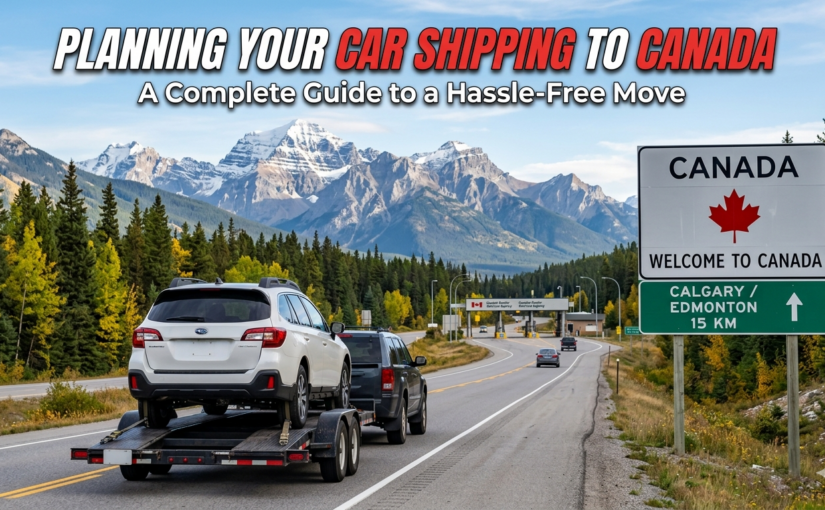
Canada is a country that demands a car. Wide open highways stretching through British Columbia, rugged terrain across Alberta, and the sprawling suburbs of Ontario — this is not a place where you want to arrive without your own vehicle. Whether you’re relocating from the UK for work, joining family, or starting a new chapter of your life across the Atlantic, shipping your car to Canada is almost always the right decision.
But here’s the honest truth: shipping a car internationally isn’t something you can wing. Canada, in particular, has its own set of rules, import regulations, and customs requirements that catch many people off guard. The good news is that with the right planning — and the right shipping partner — the entire process can be surprisingly straightforward.
At Ship Cars Ltd, we’ve helped countless UK customers successfully ship their vehicles to Canada, and this guide covers everything you need to know before you get started.
Is Your Car Actually Eligible to Enter Canada?
This is the very first question to answer — before you book anything, before you start packing, before you do anything else.
Canada’s import regulations are strict, and not every vehicle is automatically welcome. The Registrar of Imported Vehicles (RIV) oversees all vehicle imports into the country, and there are specific eligibility requirements your car must meet.
Here’s what you need to know upfront:
- The 15-Year Rule — Vehicles that are 15 years old or older (based on the model year) are generally exempt from Canadian safety and emissions standards, making them the easiest to import. If your car is a classic or older model, this could work in your favour.
- Vehicles Under 15 Years Old — These must comply with Canadian Motor Vehicle Safety Standards (CMVSS). This means your UK-spec vehicle may need modifications — things like daytime running lights, speedometer changes from mph to km/h, or bumper adjustments — before it’s allowed on Canadian roads.
- Right-Hand Drive Vehicles — Canada drives on the right, so bringing a right-hand drive UK car comes with additional scrutiny. It’s not impossible, but it does require more planning and documentation.
- Recalled Vehicles — Any vehicle subject to an outstanding safety recall that hasn’t been resolved cannot be imported into Canada. This is non-negotiable.
Our advice: Check your vehicle’s eligibility through the RIV database before you go any further. If you’re unsure, our team at Ship Cars Ltd can help you assess your car’s status and advise on the best path forward.
Choosing How Your Car Will Be Shipped
Once you’ve confirmed your vehicle is eligible, the next major decision is how it will travel. There are two main shipping methods used for UK to Canada routes, and each has its advantages depending on your vehicle and priorities.
RoRo (Roll-on/Roll-off) Shipping
RoRo shipping is the most popular and cost-effective option for shipping a standard, roadworthy vehicle. Your car is driven onto a specialist vessel at a UK port, secured in position on the car deck, and driven back off when it reaches the Canadian port on the other side.
RoRo works particularly well for:
- Standard cars, family saloons, and SUVs in good working order
- Customers who want a reliable, economical shipping solution
- Vehicles heading to major Canadian ports like Halifax, Montreal, or Vancouver
It’s worth noting that RoRo vessels carry vehicles in an open marine environment — your car won’t be enclosed in a container. This is perfectly standard practice and safe for the vast majority of vehicles, but it’s a detail worth understanding before you decide.
Container Shipping
For vehicles that need extra protection, container shipping is the premium alternative. Your car is loaded into a steel shipping container — either solely in a dedicated container or alongside other vehicles in a shared container — and transported with a significantly higher level of security and shelter from the elements.
Container shipping is the better choice for:
- Classic cars, prestige vehicles, or rare models
- Non-runners or electric vehicles that can’t be driven on/off a vessel
- Customers who simply want maximum peace of mind regardless of cost
Not sure which method suits your situation? Speak to our team — we’ll help you make the right call based on your vehicle, your budget, and your destination port in Canada.
The Paperwork You’ll Need
We won’t sugarcoat it — importing a car into Canada involves documentation, and it needs to be right. Missing or incorrect paperwork is one of the most common reasons for delays at Canadian customs, and it’s entirely avoidable with good preparation.
Here’s a checklist of what you’ll typically need:
- Original V5C (Logbook) — Your vehicle’s title document. The original is required, not a photocopy.
- Valid Passport — A copy of the photo page for the consignee.
- Bill of Sale or Purchase Invoice — Proof of vehicle ownership or transfer of ownership.
- RIV Form — The Registrar of Imported Vehicles form, completed before your vehicle arrives.
- Form BSF186 — Canada’s official vehicle import form, submitted to the Canada Border Services Agency (CBSA) at the port of entry.
- Proof of Insurance — Temporary Canadian insurance documentation may be required depending on the province your vehicle is heading to.
In addition to the above, Canada’s CBSA will assess whether import duties and taxes apply to your vehicle. Most personal-use vehicles are subject to a 6.1% import duty plus applicable GST (Goods and Services Tax). If you’re moving to Canada permanently and the vehicle has been owned and used for at least six months prior to your move, you may qualify for duty-free importation as part of your settler’s effects — a significant saving that’s well worth exploring.
Transit Times and UK Departure Ports
Understanding timelines is essential for planning your move. Shipping from the UK to Canada is not an overnight process, and building realistic expectations into your schedule will save you a great deal of stress.
Typical transit times from the UK to Canada are:
- Halifax, Nova Scotia — Approximately 10 to 14 days from UK departure
- Montreal, Quebec — Approximately 12 to 16 days (seasonal — the St. Lawrence Seaway closes in winter)
- Vancouver, British Columbia — Approximately 25 to 30 days, routing via the Panama Canal
UK departure ports commonly used for Canadian routes include Southampton, Grimsby, and Tilbury (London). The right port for your shipment will depend on your location in the UK and the Canadian destination port selected.
Bear in mind that customs clearance, RIV inspection, and any required vehicle modifications all take additional time once your car arrives in Canada. Factor in at least 1 to 3 weeks beyond the vessel’s arrival for the full clearance process.
Protect Your Car with the Right Insurance
Your vehicle has real value — financial and personal — and proper insurance cover during transit is not something to skip in order to save a few pounds.
Standard shipping freight costs do not automatically include comprehensive vehicle insurance. At Ship Cars Ltd, we offer tailored transit insurance options, including:
- Total Loss Cover — Protection in the rare event of catastrophic damage or loss at sea
- Comprehensive Damage Cover — Broader protection covering structural and cosmetic damage during loading, transit, and unloading
Before your vehicle is handed over, take thorough photographs of every angle — interior, exterior, underneath if possible — and document any pre-existing marks or damage in writing. This protects you fully if any claim ever needs to be made.
Start Planning Early — And Start with a Quote
Shipping a car to Canada from the UK is a significant logistical undertaking, but it’s one that thousands of people successfully complete every year. The key ingredients are simple: start early, get your paperwork in order, choose the right shipping method, and work with a team that genuinely knows what they’re doing.
At Ship Cars Ltd, Canada is one of our most well-travelled routes. Our expert team will guide you through every step — from your first quote to the moment your car clears Canadian customs and arrives at its destination.